
Marketing operations & systems

Making good delivery repeatable across people, projects and locations.
Beyond a single event
A national series needs more than a strong opening event. The people, equipment and ways of working have to hold together across locations, while giving each local team what it needs to deliver. Across my career, I’ve overseen well over a dozen national tours and programs. Learning how to make that work repeatable began with Neymar Jr’s Five.
Neymar Jr’s Five: building the model
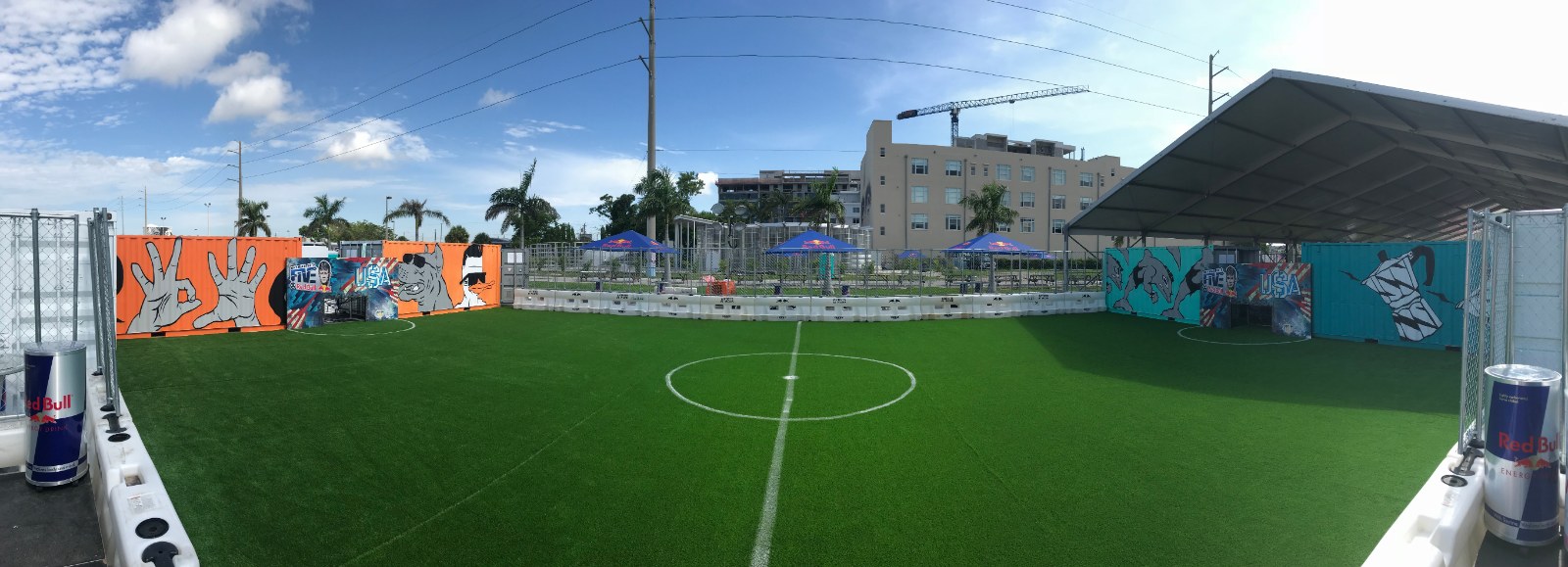
We ran Neymar Jr’s Five in the U.S. for three years, with 18–24 events per series and more than 10,000 participants nationally across the program. It was my first major event series, and the scale demanded a practical way to deliver consistently without starting from scratch in every market.
This was where I first implemented the toolkit model: moving key event infrastructure through the series so teams could build on a common foundation. The approach connected the national plan to the realities of each stop, balancing consistency with efficient use of resources.
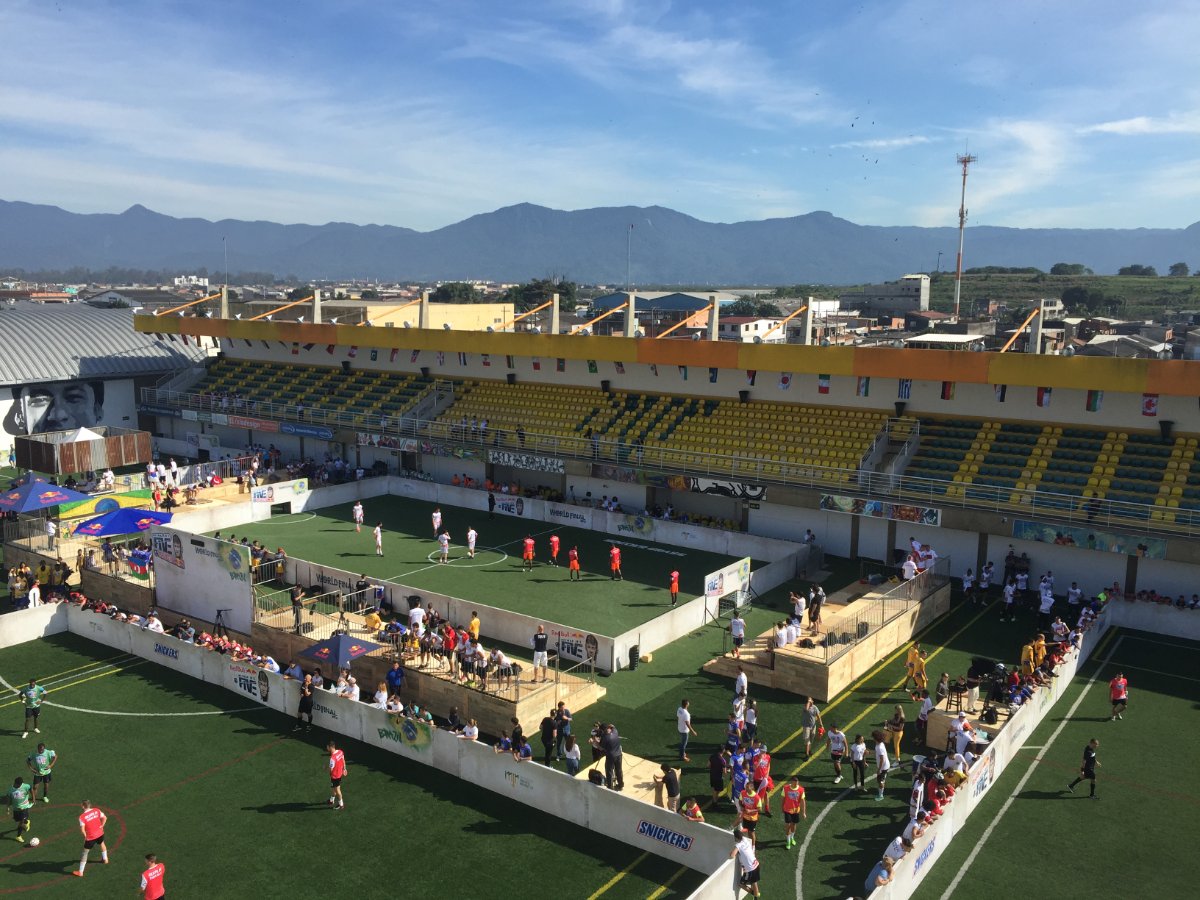
After the qualifiers and national final, I brought the winning team to Brazil for the World Final. In one year of the program, the U.S. women’s team went on to win it. The series created a route from a local event to a global stage.
Carrying the learning into 3X
I later applied the toolkit model to Red Bull 3X, pairing shared infrastructure with a dedicated basketball competition team. The approach let us carry operational learning from one sport into another without treating the competitions as interchangeable.
The 3X story follows what happened next: how the audience and competitive results led me to rethink the scale of the series.
Read the full Red Bull 3X storyDifferent programs, a broader operating perspective
That experience extended across Mind Gamers, Boarding Pass, the Event Vehicle Program, Wings for Life World Run, Foam Wreckers, and Aetna work through CSM, among others. Each brought a different audience and a different set of delivery requirements.
At CSM Sport & Entertainment, my work included experiential campaigns and the development of a national mobile tour, covering procurement, local partners, staffing and training. At Red Bull, my national remit also included event-management tools and websites, ticketing processes, and event data work with IT.
The scope changed from program to program. The underlying work was to connect the plan with the resources and people available, then give teams a structure they could actually use.
Useful structure
Operational expertise is knowing what needs to stay consistent and where people need room to adapt. A toolkit can move between cities, but it still needs people who understand how to use it, clear ownership, and a plan that reflects what each location requires.
That is the foundation I build toward: making the next event easier to deliver well, while carrying what we learn into the one after it.
Working through something similar?