
Red Bull Rampage
From watching it on television to helping lead its next chapter.
- Context
- Red Bull · In-house role
- Role
- Event evolution & project leadership
- Where
- Virgin, Utah
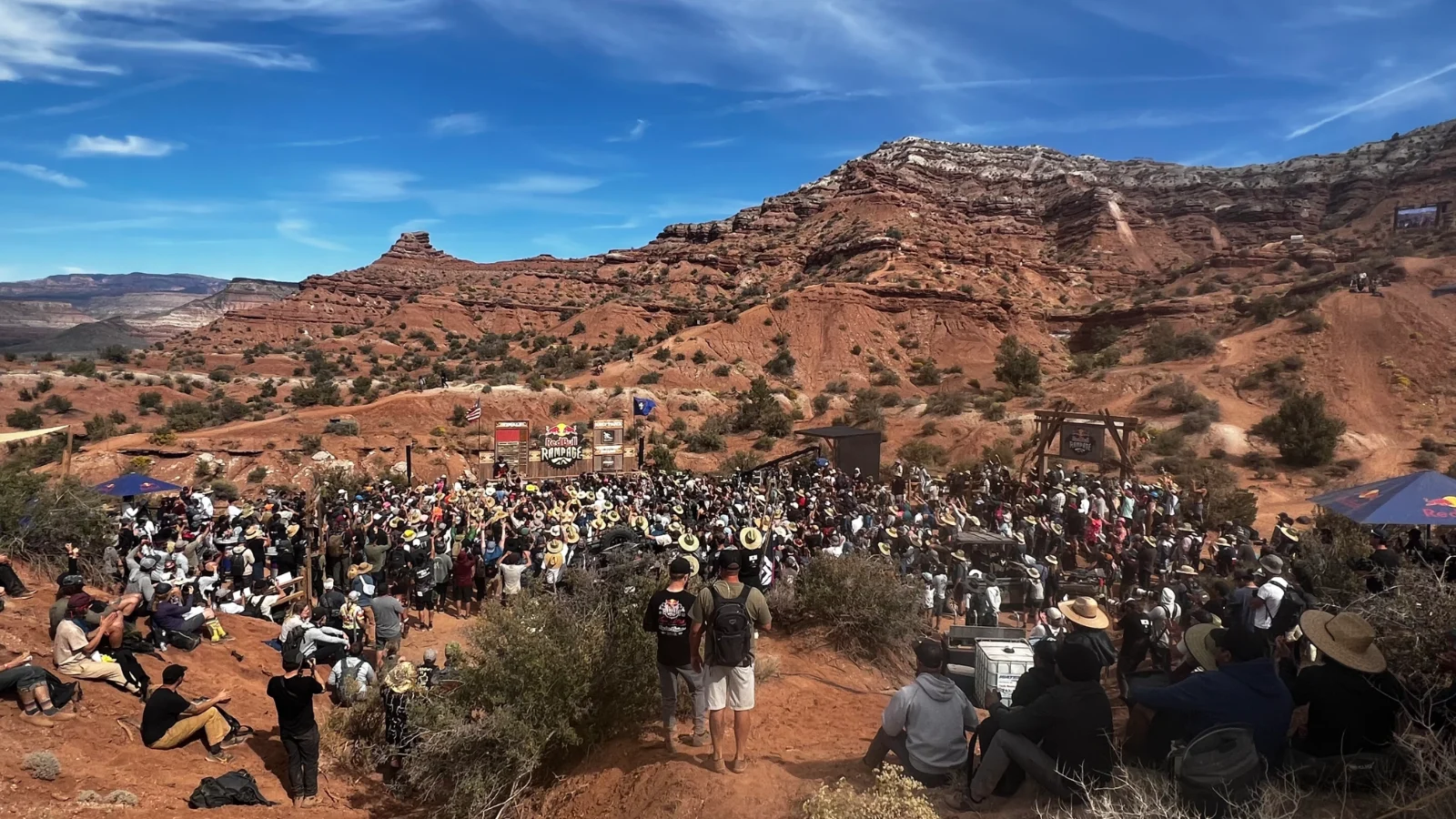
Before I ever set foot on the mountain
I first saw Rampage on television when I was younger. I wanted to see it in person. More than that, I wanted to find some way to be part of projects that seemed that far beyond the ordinary.
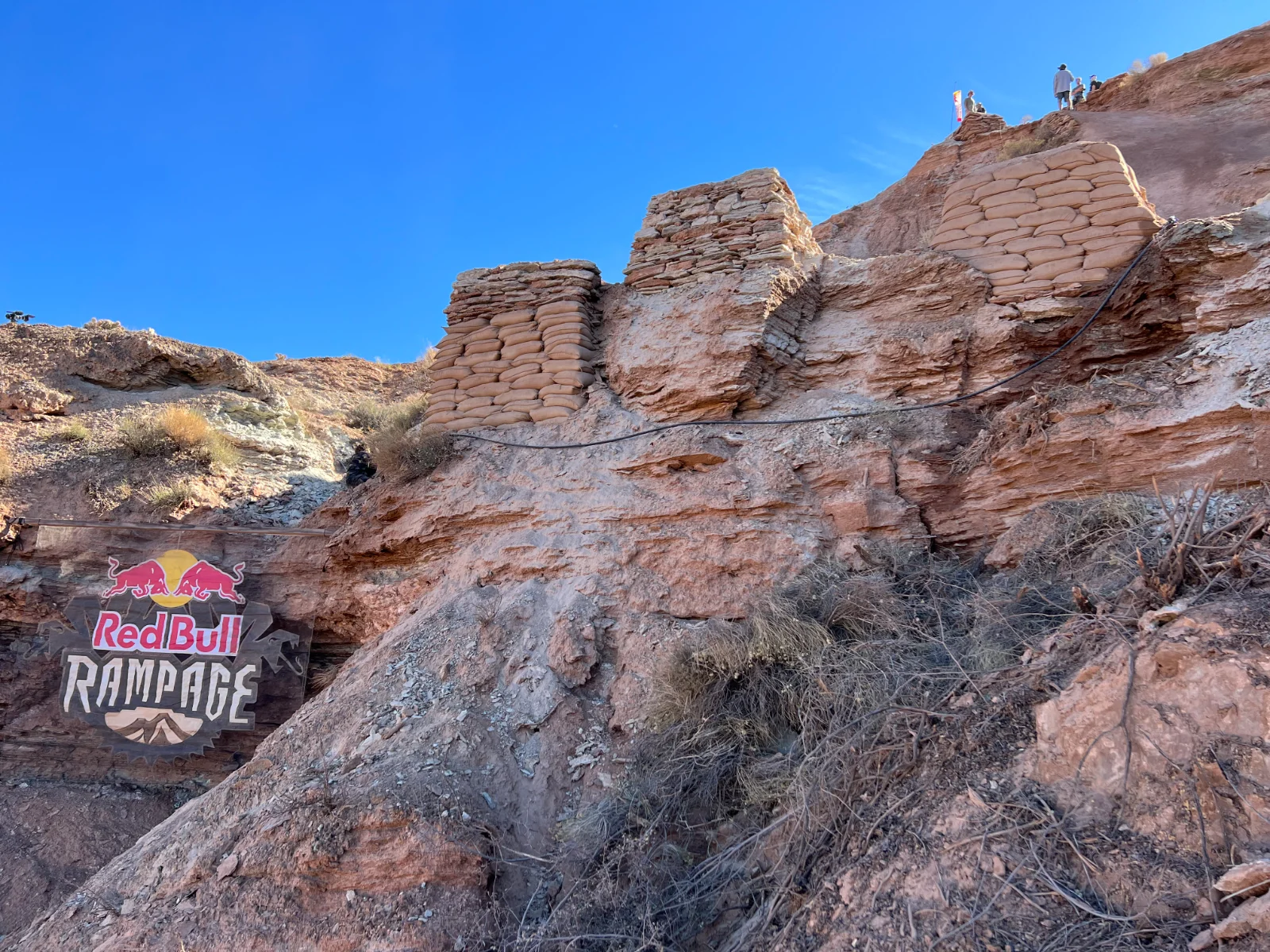
My first year working on it, I helped install branding on the side of the mountain. I went on to work on Rampage for nine of my eleven years at Red Bull. Over that time, my role grew into orchestrating the key project team on site and helping shape where the event could go next.
An established event still has to earn its future
Rampage already had a powerful identity. Leading its evolution meant understanding what made it matter while making the case for the investment it required.
I worked to rebuild that case internally and move the conversation toward what the event could become. My involvement connected those business decisions with the realities of delivering the event on the mountain.
A place on the mountain
For years, leading female riders and people across the sport had been pushing for women to compete at Rampage. Their advocacy raised a question the event could no longer treat as abstract: what would it take to make that inclusion credible?
I led a small stakeholder group through conversations with the riders, the production team and industry experts. We worked to understand the requirements and test the feasibility. I spoke with risk and legal about the exposure, and with finance about how to resource it properly and efficiently.
Making the case for change
With that work behind us, our group took the case to global leadership. It had to answer hard questions. Were the riders ready for this mountain? Would a women’s field change what Rampage stood for? Would adding it look like the event giving in to outside pressure? We had to work through what protecting Rampage actually meant, and whether its established identity should set the limits of its future.
Approval came through persistence. Each question or rebuttal gave us something else to work through, and we kept coming back with answers.
On the sporting side, I made the decision to sponsor Proving Grounds events, giving the women more competitive opportunities to demonstrate their capability and readiness for Rampage. That helped build the evidence behind the case for inclusion.
We found a venue that could accommodate both course zones without doubling the costs. We also built the commercial argument around the projected value of another day of content and a new audience segment. The case became stronger as we worked through what the expansion would require and what it could contribute.
The riders’ own advocacy stayed part of the push throughout. Eventually, the combination of evidence, a workable plan and persistence secured the support to move forward.
The next chapter became real
In 2024, women competed at Rampage for the first time. The event had made room for riders who had spent years asking for the opportunity.
Helping introduce that competition was one of the most meaningful parts of my time on the project. It brought together the internal work of securing support and the responsibility that comes with running an event influential enough to shape expectations for a sport.
Leading on the mountain
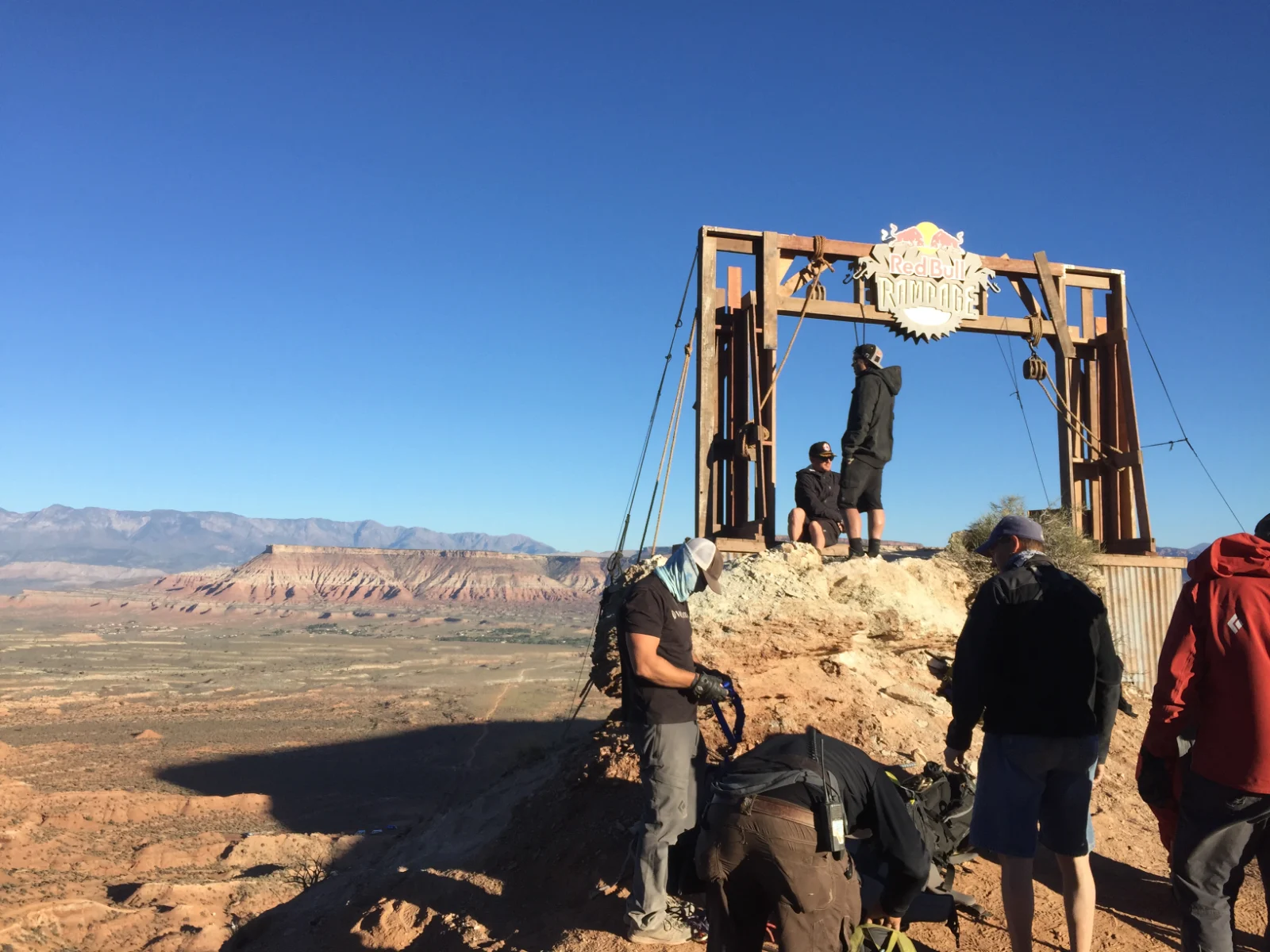
The long-term work did not remove the need to make crucial decisions in the moment. On one occasion, our primary rescue helicopter option backed out the night before. I secured a big-mountain rescue helicopter team to replace it.
The argument for the event’s future and the immediate responsibility for its delivery were inseparable parts of the role.
What nine years gave me
Rampage gave me the chance to grow with a project that had inspired me before I ever worked on it. I came to understand the internal work required to sustain an event that, from the outside, could look established enough to keep going on its own.
I wanted to help it keep earning its place, and to use that opportunity to move the event and the sport forward. That is the perspective I bring to an established project: respect for what made it valuable, and a willingness to work on what it could become.
Thinking about the next chapter of an established project?